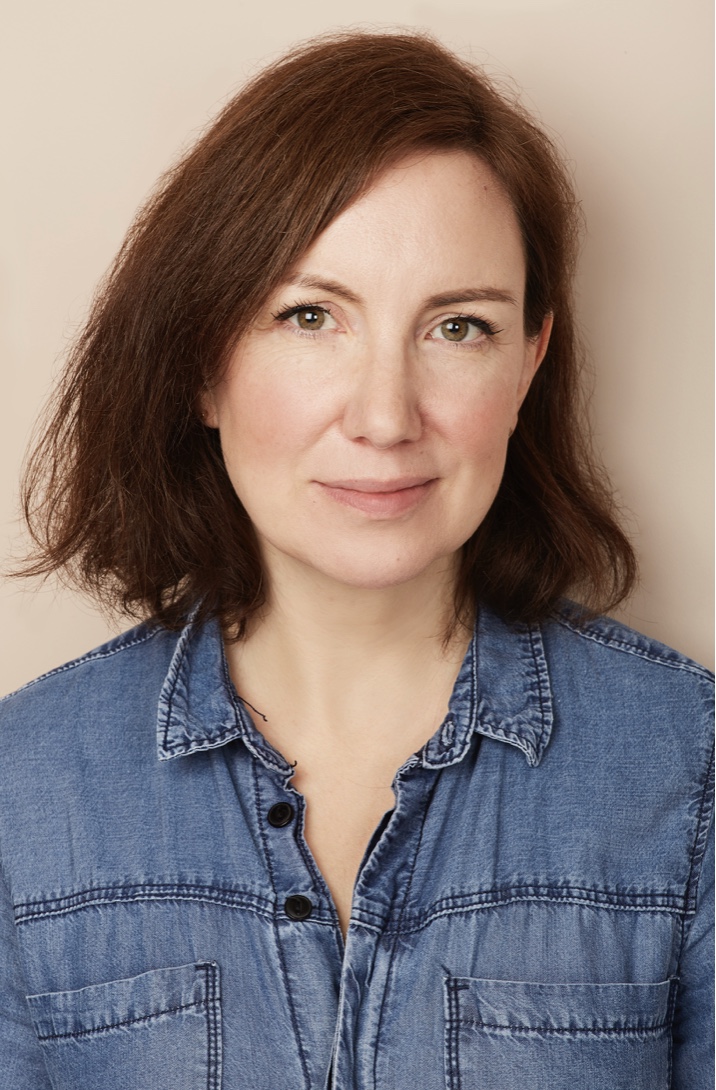
Awards often produce a group portrait before they produce a useful question. Architectural Record’s 2026 Women in Architecture honorees are more interesting when read as five different answers to one: what does leadership look like when the boundaries of architectural practice are changing?
Marlene Imirzian, Mae-ling Lokko, Clare Miflin, Anne Schopf and Carole Wedge will be recognized on September 23 at S.R. Crown Hall in Chicago. Now in its 13th year, the program has honored more than 60 women and places design achievement beside education, research, organizational leadership and advocacy.
At a glance
- Subject
- Practice
- Editorial series
- The New Practice
- Story format
- Profile / Visit
- Published
- September 1, 2026
- Reading time
- 4 min read
Imirzian’s practice in Arizona and California demonstrates the durability of place-based work across public, education, healthcare, commercial and residential projects. Sustainability appears not as a specialist overlay but as part of project performance—connected to climate, community and the exact conditions of the American Southwest.
Lokko expands practice through material research. Her work on biogenic building materials examines agricultural waste, supply chains and forms of fabrication that can connect architecture to local economies. The architect’s role moves upstream, from specifying products to questioning how material systems are cultivated and who benefits from them.
Miflin brings circular systems into the design of buildings and cities. Through the Center for Zero Waste Design and the Zero Waste Design Guidelines, her work treats discarded material as a spatial and policy problem rather than a service hidden behind the building. Practice expands to the routes, rooms and regulations that determine whether reuse can occur.
Imirzian’s practice in Arizona and California demonstrates the durability of place-based work across public, education, healthcare, commercial and residential projects.
Schopf represents another model: sustained design leadership inside a large multidisciplinary firm. Complex civic and institutional work requires coordination across many authors, technical systems and public stakeholders. The ability to maintain an idea through that scale is a form of authorship rarely captured by the image of the lone architect.
Wedge’s leadership reaches the profession as an institution. As executive vice president and chief executive officer of the American Institute of Architects, her work concerns the policies, resources and public positions that shape what architects can do. Advocacy is not separate from practice when codes, procurement, labor and climate commitments determine the field’s capacity to act.
Together, the five profiles resist a single definition of advancement. Leadership can mean founding a studio, changing a material economy, integrating ecology, guiding a large collaborative practice or reshaping a professional organization. None of those paths is secondary to the production of buildings.
The gendered importance of the award remains real. Recognition helps correct a profession in which credit, ownership and senior authority have not been distributed equally. Yet the program is strongest when it does more than insert women into an unchanged heroic model—when it makes a wider range of labor visible as architectural achievement.
Emerging practices show where creative culture is moving before the shift becomes a familiar style. These stories document the methods, responsibilities and new forms of authorship behind that change.
These honorees show a field moving from object to system without abandoning design. Place, matter, ecology, organizations and policy all enter the brief. The future of practice may be defined less by expanding what architects control than by expanding the relationships for which they accept responsibility.