Design leadership is often described through scale: the size of a studio, the reach of a brand or the visibility of a project. The 2026 Women&Design by Maison&Objet Awards propose a broader measure. Their September conversation brings together Emily Wheeler, Tola Ojuolape and Reem Al-Sultan around social innovation, cultural heritage and the creative ecosystems that allow design to produce public value.
The event takes place on September 13 during Maison&Objet Paris, with Anaïs Carion of MAD Brussels joining the award recipients and journalist Danièle Gerkens moderating. The format matters because the participants do not represent one model of success. They move between interiors, nonprofit work, objects, culture and institution-building.
At a glance
- Subject
- Interior Design
- Editorial series
- The New Practice
- Story format
- Profile / Visit
- Published
- September 2, 2026
- Reading time
- 4 min read
Emily Wheeler founded Furnishing Futures in 2019 after working as a social worker, interior designer, stylist and writer. The UK charity creates fully furnished, trauma-informed homes for women and children escaping domestic abuse. Its premise is direct: rehousing someone in an empty property can reproduce instability, while a thoughtfully furnished home can support safety, agency and recovery.
That work refuses the idea that interiors become meaningful only after basic needs are met. A bed, table, curtain, lamp and place to store personal belongings are part of the infrastructure of daily life. Design decisions carry psychological and practical consequences, particularly when a household is rebuilding after trauma.
Tola Ojuolape approaches leadership through a London-based multidisciplinary practice spanning interiors, objects and experiences. Her work draws from a mixed cultural background, architectural heritage, art and craft. The result is not heritage used as visual shorthand, but an insistence that cultural reference can shape material choices, atmosphere and the stories a space permits itself to tell.
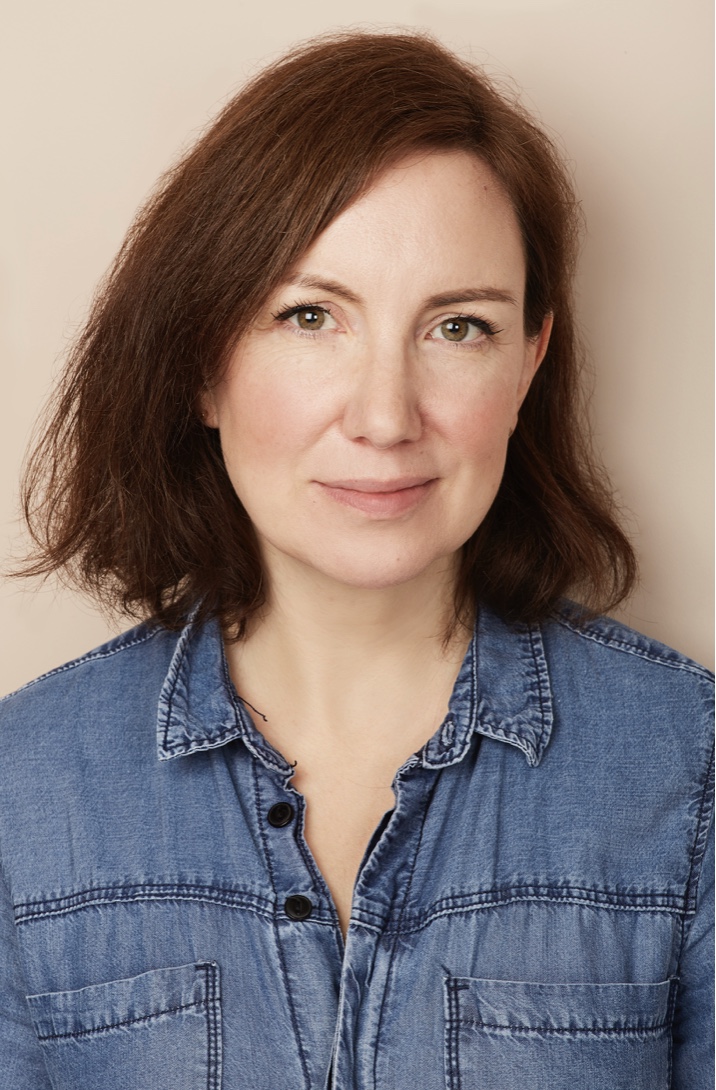
Emily Wheeler founded Furnishing Futures in 2019 after working as a social worker, interior designer, stylist and writer.
Reem Al-Sultan adds another geography and set of responsibilities to the conversation. Maison&Objet frames the award recipients as designers contributing to more responsible and inclusive systems, a description that moves attention from individual taste toward the conditions under which creative work is commissioned, produced and recognized.
Carion’s presence is useful here. As chief executive of MAD Brussels and a member of the jury, she works on the institutional side of visibility—supporting local fashion and design while connecting it to international platforms. Creative ecosystems do not appear naturally. They are built through funding, space, networks, criticism and repeated opportunities to be seen.
Awards can easily compress complex practices into a celebratory label. The value of this group lies in resisting that flattening. Care work is not a design trend; cultural identity is not a palette; institutional support is not a networking accessory. Each is a sustained structure that changes who can participate and what outcomes count.
For interior design, the implications are practical. The field can evaluate a project by more than visual resolution: who feels safe, who is represented, what resources circulate, which products are recovered rather than discarded and whether the knowledge created by a commission reaches beyond one client.
Emerging practices show where creative culture is moving before the shift becomes a familiar style. These stories document the methods, responsibilities and new forms of authorship behind that change.
The strongest form of leadership may therefore be the ability to enlarge the brief. Wheeler, Ojuolape and Al-Sultan demonstrate that a room can connect to welfare, memory and economic opportunity without losing aesthetic ambition. Design becomes more exacting, not less, when it is asked to carry those relationships.