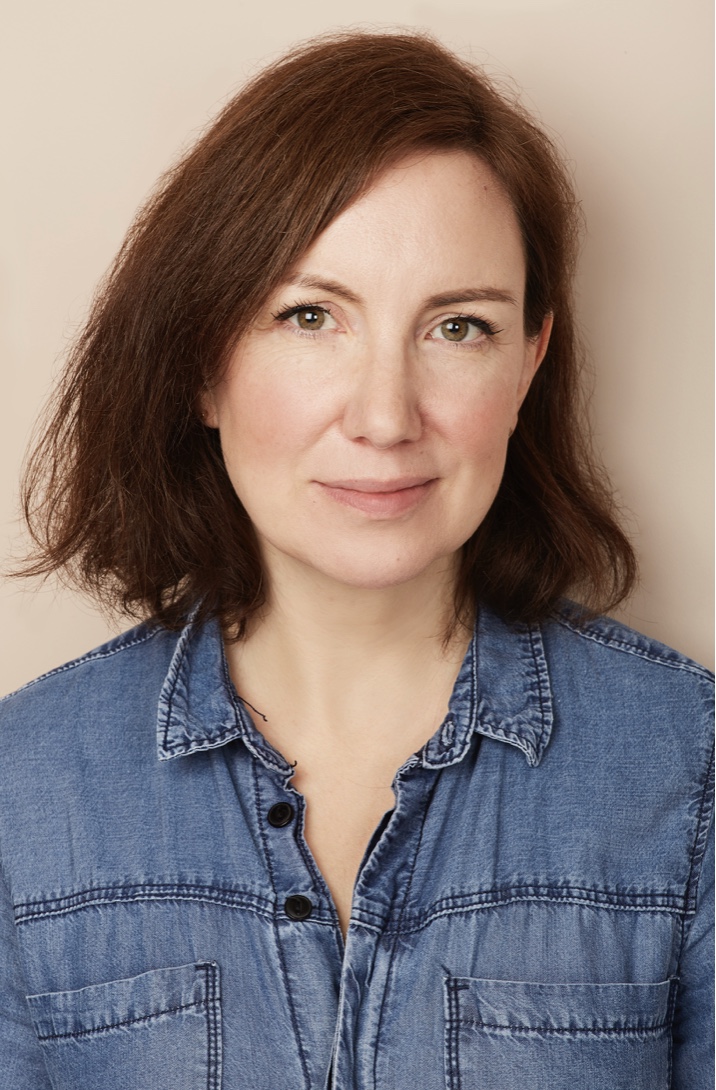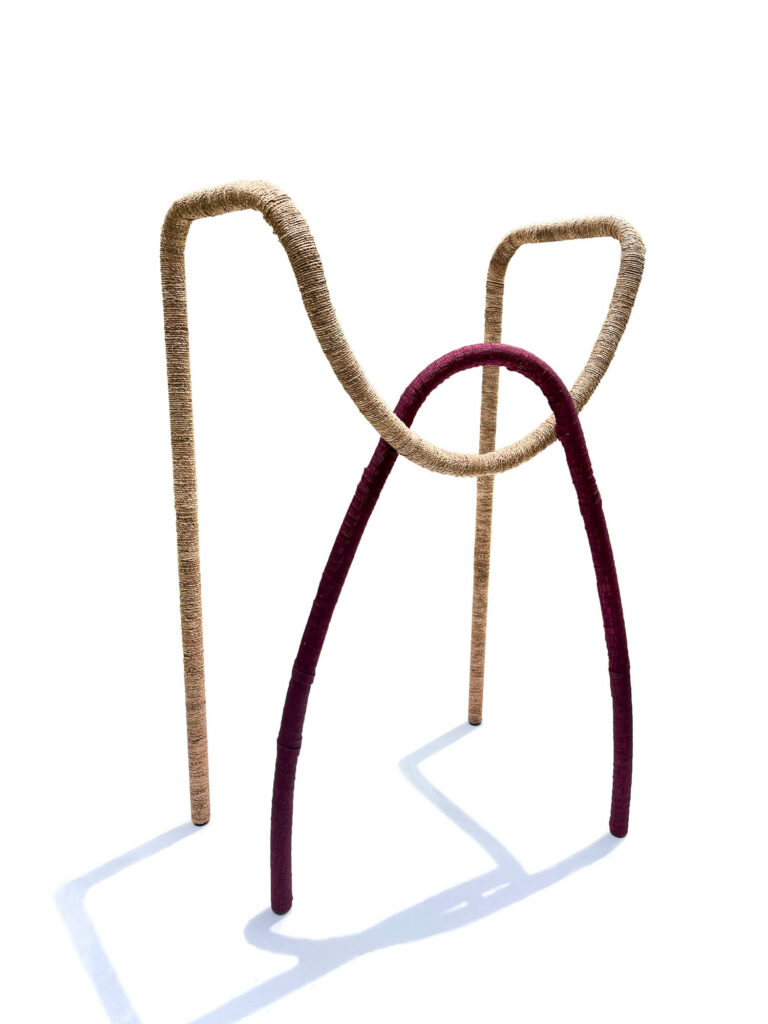
Lani Adeoye founded Studio-Lani as a multidisciplinary practice spanning sculpture, furniture, lighting and assistance devices. Her work draws from West African craft and cultural forms while resisting the idea that African design belongs to one fixed visual language.
Collections translate processes and references through contemporary materials and production. The RemX Walker extends that same attention to mobility, treating dignity and sculptural presence as integral to function rather than optional additions.
At a glance
- Subject
- Objects
- Editorial series
- The New Practice
- Story format
- Profile / Visit
- Published
- August 1, 2026
- Reading time
- 4 min read
Adeoye’s practice makes inclusion aesthetically ambitious. Heritage and accessibility are not separate themes; both ask how an object can recognize the identity, body and future of the person who uses it.
Adeoye challenges the expectation that heritage must appear untouched or visibly traditional. Cultural knowledge can enter contemporary design through construction, rhythm, collaboration and use.
The RemX Walker makes the same argument through accessibility. An assistance device can meet functional requirements without imposing an anonymous clinical identity. Cultural and bodily dignity both begin by considering the person fully.
Adeoye’s practice makes inclusion aesthetically ambitious.
Collections inspired by West African forms avoid presenting tradition as one uniform style. Metalwork, woven materials and references to talking drums are transformed through collaboration and contemporary production rather than copied as symbols.
Working with artisans changes the result because making knowledge enters the design process early. The conversation between concept and technique produces forms neither side would reach through a purely extractive commission.
Adeoye’s breadth is held together by connection. Furniture, lighting and mobility objects all ask how design can support human presence with greater recognition. Utility becomes richer when identity and emotional experience are treated as functional needs.
Emerging practices show where creative culture is moving before the shift becomes a familiar style. These stories document the methods, responsibilities and new forms of authorship behind that change.