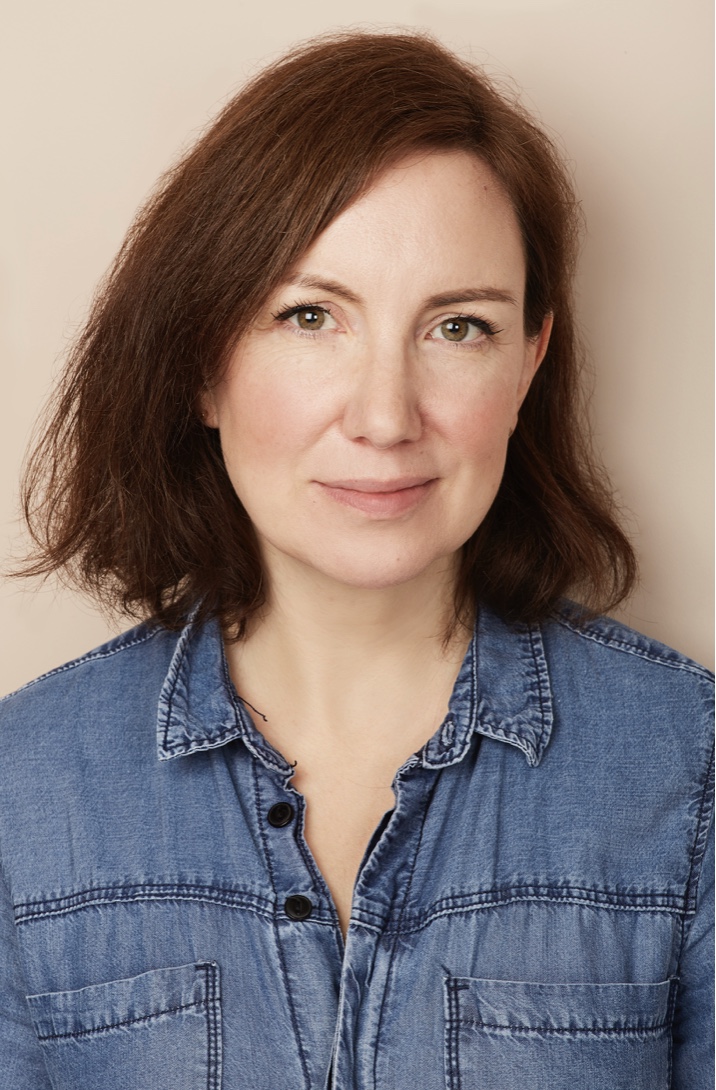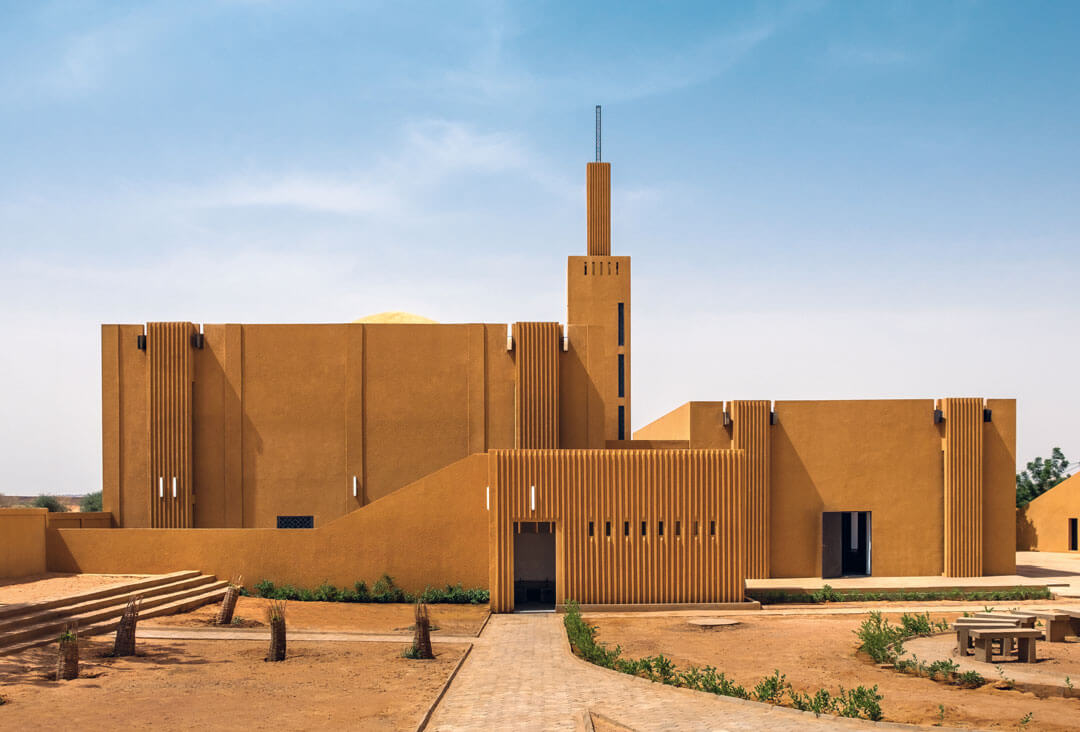
Mariam Issoufou founded atelier masōmī in 2014 as an architecture and research practice headquartered in Niger. Its work asks how buildings can express the cultural, historical and climatic realities of a place without turning them into superficial motifs.
Projects are shaped through locally available materials, regional building knowledge and attention to the social life that architecture must support. The process considers employment, construction skills and long-term community value alongside formal design.
At a glance
- Subject
- Architecture
- Editorial series
- The New Practice
- Story format
- Profile / Visit
- Published
- August 2, 2026
- Reading time
- 4 min read
Issoufou’s work makes context active. Place is not a visual reference added to an international template; it is the source from which structure, material and public meaning are developed.
Context is often reduced to appearance, but atelier masōmī treats it as a system of climate, labor, memory, available resources and social relationships. Each can change the plan and construction method.
Local material does not mean retreating from innovation. Regional techniques can be tested with contemporary engineering while keeping skills and value within the community. Architecture becomes internationally relevant by being more specific about where it stands and whom it serves.
Issoufou’s work makes context active.
In public projects, shade, courtyards and thresholds are social infrastructure. They determine whether a building supports informal meeting, collective ritual and everyday commerce beyond the moments for which its rooms are formally programmed.
Material choices also shape who participates in construction. A system that can draw on regional skills creates a different economic relationship to a project than one dependent entirely on imported products and expertise.
Issoufou’s architecture is contemporary because it treats culture as active knowledge. History is not frozen into a recognizable image; it informs decisions about climate, making, dignity and the future life of the community.
Emerging practices show where creative culture is moving before the shift becomes a familiar style. These stories document the methods, responsibilities and new forms of authorship behind that change.