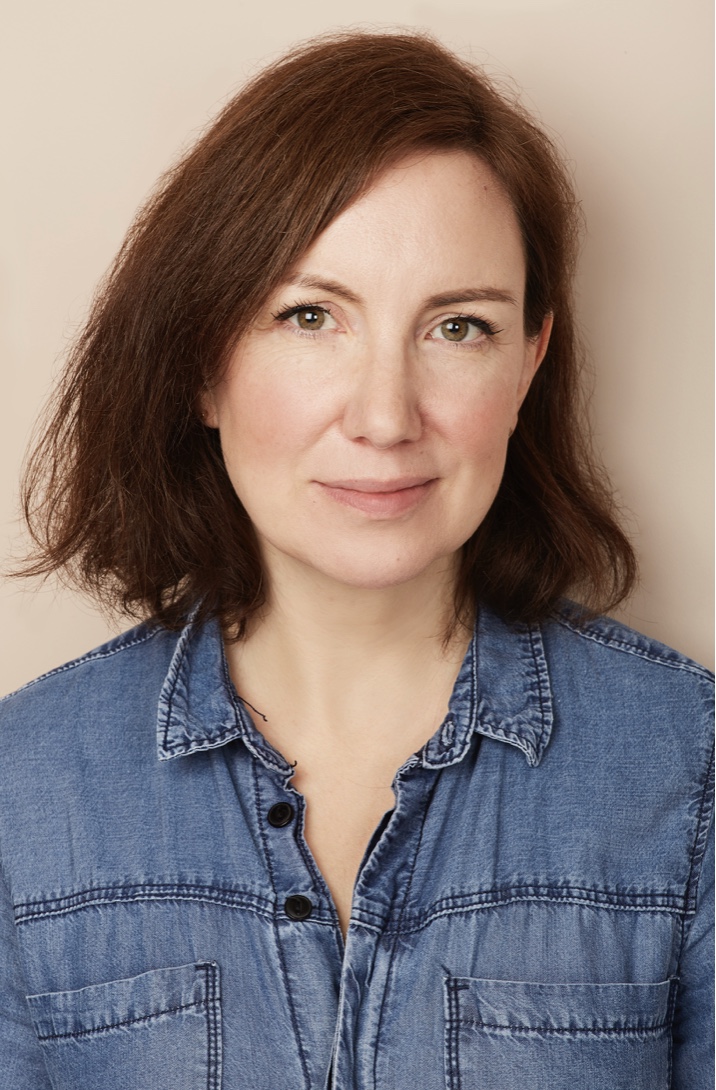
Suchi Reddy founded the New York practice Reddymade in 2002. Working across architecture, interiors, public art and cultural projects, the studio is guided by a human-centered approach summarized in the phrase form follows feeling.
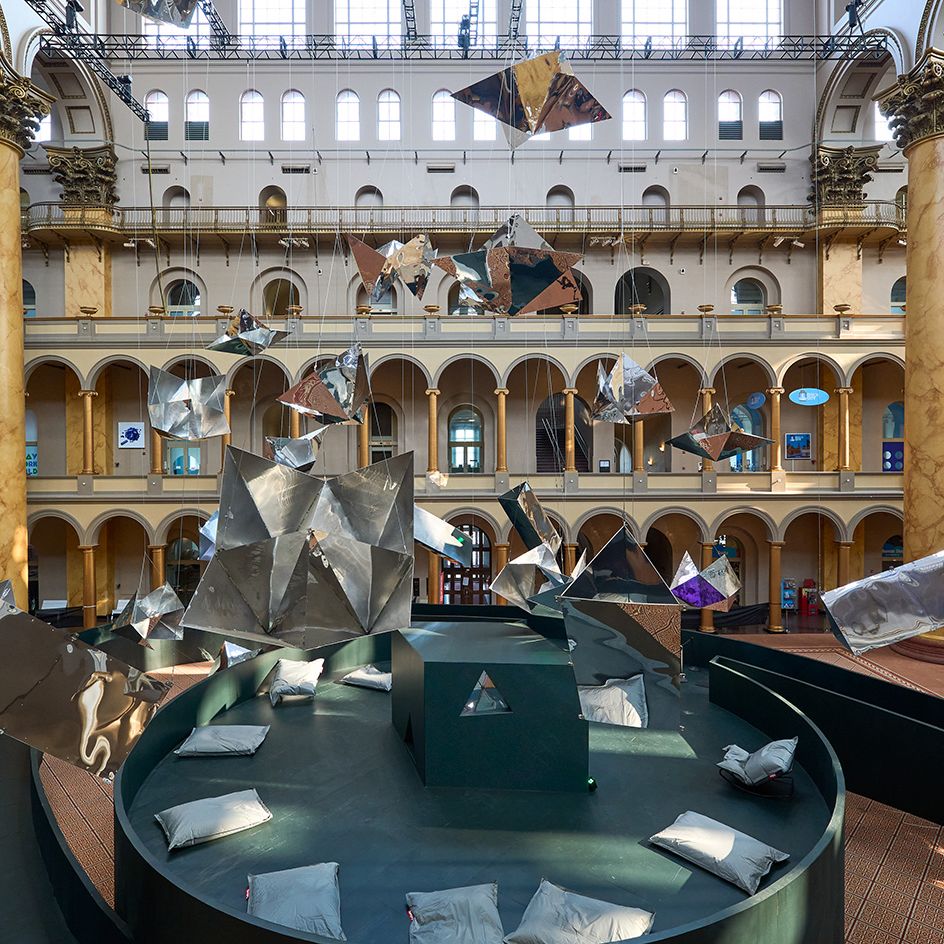
That position is informed by neuroaesthetics: the study of how environments affect perception, emotion and the body. Projects such as A Space for Being made those responses visible by allowing visitors to experience distinct material and sensory conditions.
At a glance
- Subject
- Architecture
- Editorial series
- The New Practice
- Story format
- Profile / Visit
- Published
- August 1, 2026
- Reading time
- 4 min read
Reddy’s work expands the brief beyond what a space contains or how it looks. It asks designers to consider what the environment is asking of the nervous system—and whose ways of sensing have been included.
Form follows feeling shifts evaluation from the isolated object to the relationship between environment and person. It asks how light, acoustics, texture and sequence register before conscious explanation.
Neuroaesthetics can support that inquiry, but culture, memory, age and neurodiversity shape perception. The goal is not to engineer one correct emotion; it is to recognize that every formal decision has bodily consequences.
Reddy’s work expands the brief beyond what a space contains or how it looks.
A Space for Being translated research into a sequence visitors could experience directly. Different rooms changed material, color, scent and sound while physiological responses were recorded, making the influence of environment tangible.
The value of that experiment was not to declare one universally ideal room. It showed that design can become more attentive when observation extends beyond stated preference to include the body’s less conscious reactions.
Reddy’s work connects research to empathy. A human-centered practice remains rigorous when it asks whose perception has been assumed, which sensory needs have been overlooked and how beauty can support a wider range of people.
Emerging practices show where creative culture is moving before the shift becomes a familiar style. These stories document the methods, responsibilities and new forms of authorship behind that change.