The Design Council and University of the Arts London announced the launch of Skills for Planet Learning Lab this October, creating a programme of online and in-person learning for designers. Its stated focus is the capacity to address climate, biodiversity and social challenges while working with clients and communities. The first learning experiences are available free of charge. 1
The launch responds to a gap identified in the Design Council’s research: 71 per cent of designers expect demand for environmental expertise to increase, while 43 per cent feel equipped to design for the planet. Those figures, cited in the October announcement, establish a practical question for the profession—how to make environmental competence part of a designer’s working methods. 1
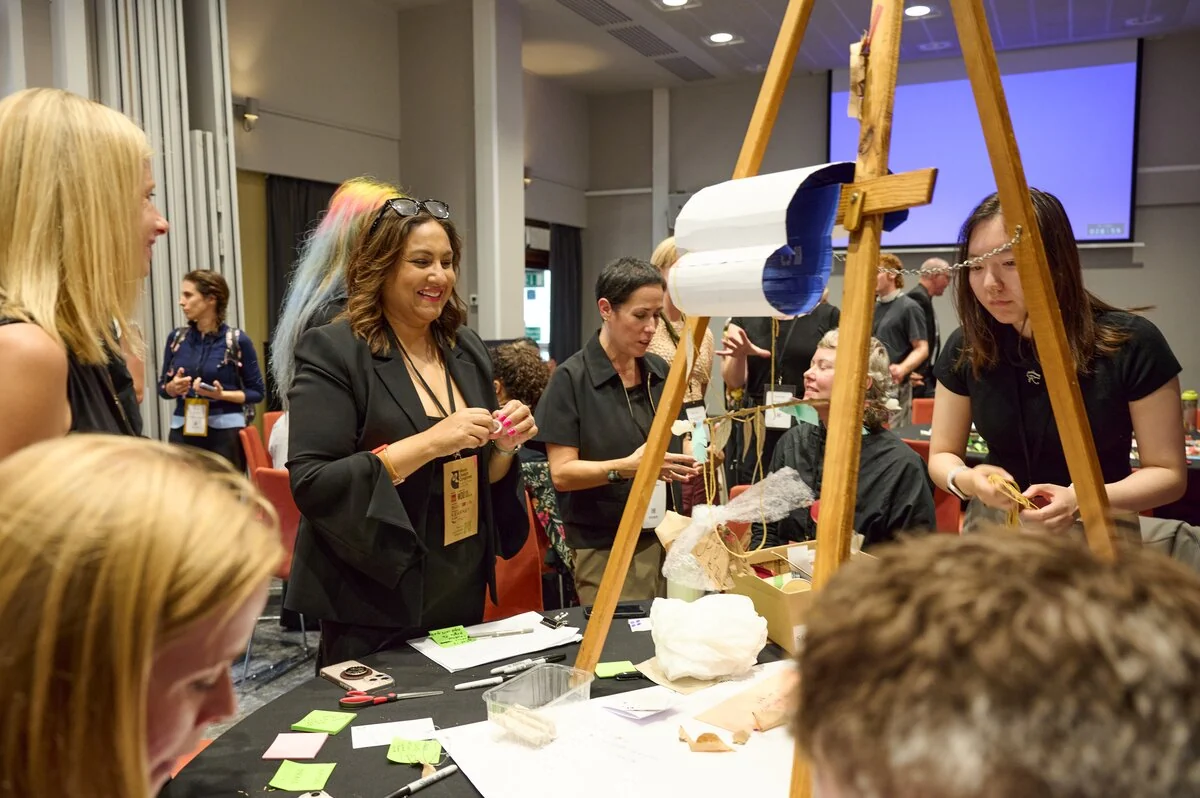
The published programme gives that question several points of entry. Online learning addresses systems thinking, ecological literacy and communicating the value of green design to clients. A resource on circular design uses reflection and design exercises, while in-person sessions examine systems mapping, circularity, environmental evidence and collaboration with communities. The intended audience includes designers at entry level and in the middle of their careers. 2
For a studio, the relevance starts with the brief. Environmental intentions become more useful when they can inform a decision: what is retained, which materials are chosen, how a product may be repaired, or whose experience is included in a project. Those decisions require a shared vocabulary across the people commissioning, designing and delivering the work.
The Lab’s attention to client communication is particularly pertinent. Its programme describes a webinar devoted to explaining the commercial, social and environmental value of green design. Another strand asks participants to interpret and question the evidence behind environmental claims. Together, these areas connect what a designer knows with how that knowledge enters an actual commission. 2
Confidence in environmental advice depends on being precise about its basis. A designer should be able to explain which choices have been examined, what information supports a recommendation and where further expertise is needed. Training can strengthen that conversation by making the reasoning behind a proposal easier to articulate and review.
The clearest evidence of that learning will appear in ordinary project documents. A brief can record environmental priorities; a specification can state what supports a material choice; a review can identify where specialist advice is needed. Training can then become part of a studio’s everyday work.