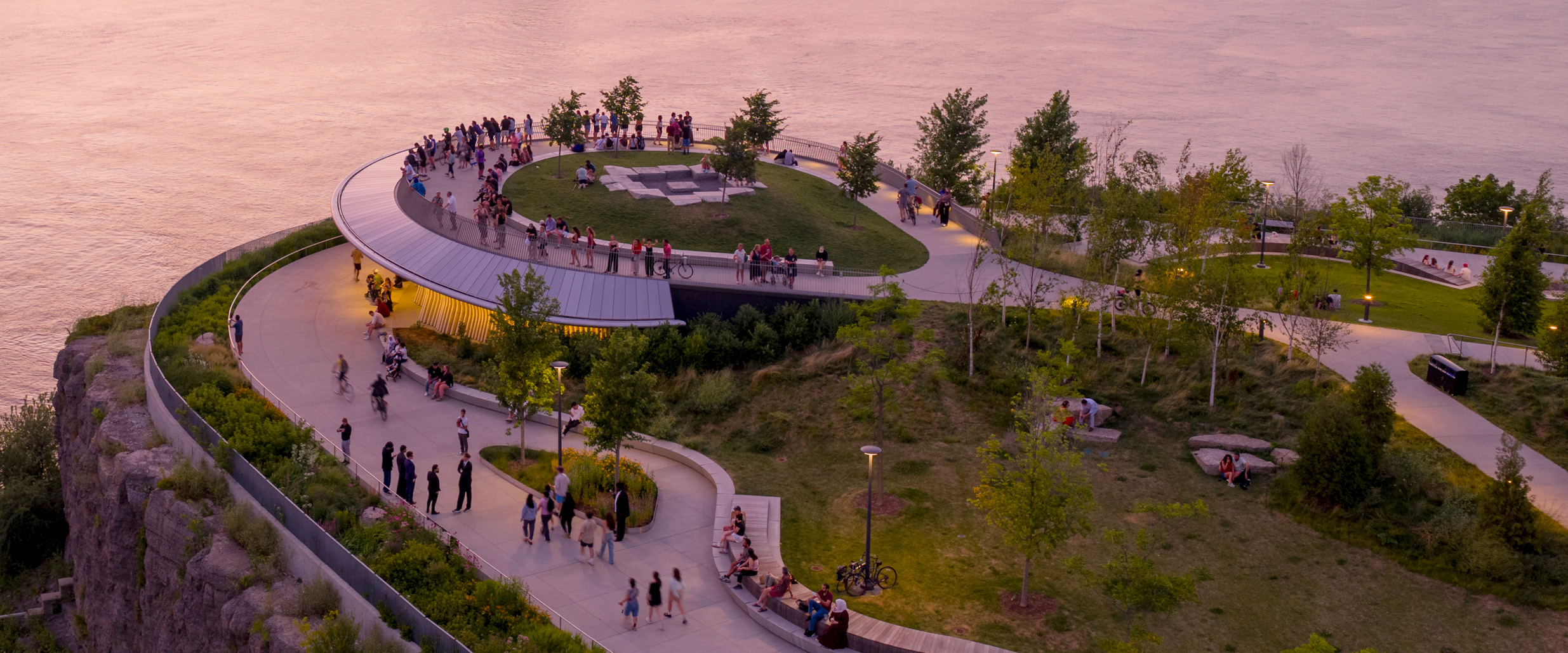
Tadao Ando developed his architectural education outside a conventional academic path, learning through travel, observation, reading and direct encounters with buildings.
His work is strongly associated with reinforced concrete, elementary geometry and the controlled entry of light and wind. Walls do more than enclose: they separate the individual from the city while making interior experience more concentrated.
At a glance
- Subject
- Architecture
- Editorial series
- Material Intelligence
- Story format
- Profile / Visit
- Published
- March 24, 2026
- Reading time
- 4 min read
Ando received the Pritzker Architecture Prize in 1995. The award biography emphasizes the sensory richness produced through restraint—a reminder that minimal material language does not require minimal emotional effect.
Concrete is often described as the signature of Ando’s architecture, but material alone does not explain the experience. Its continuity and weight establish a calm field against which small changes become intense. A line of daylight, the movement of a shadow or the sound of footsteps can organize the entire room. Restraint concentrates attention.
The geometry is equally deliberate. Walls guide the body through sequences of compression and release, conceal destinations and frame encounters with sky, water or landscape. Circulation is therefore not simply the path between functions. It is the medium through which the architecture is understood. A visitor discovers the building in time, and the apparent simplicity becomes a carefully paced experience.
Ando received the Pritzker Architecture Prize in 1995.
Ando’s self-directed education remains relevant because it foregrounds observation. Travel, drawing and direct study of buildings formed a practice of looking beyond stylistic categories to understand proportion, light and human movement. This does not romanticize the absence of formal training; architecture still requires technical collaboration and discipline. It shows that education continues through sustained attention to real places and effects.
Minimal architecture is easily imitated through empty rooms and limited palettes, yet absence by itself produces little. Ando’s work is emotionally dense because each reduction increases the responsibility of what remains. The wall must hold exact proportion; the opening must locate light; the route must prepare the encounter. The lesson is not to use less for its own sake. It is to remove until every remaining element carries more meaning.
Materials are never neutral. Their sourcing, behavior, fabrication and aging shape both the experience of an object and the values it carries.