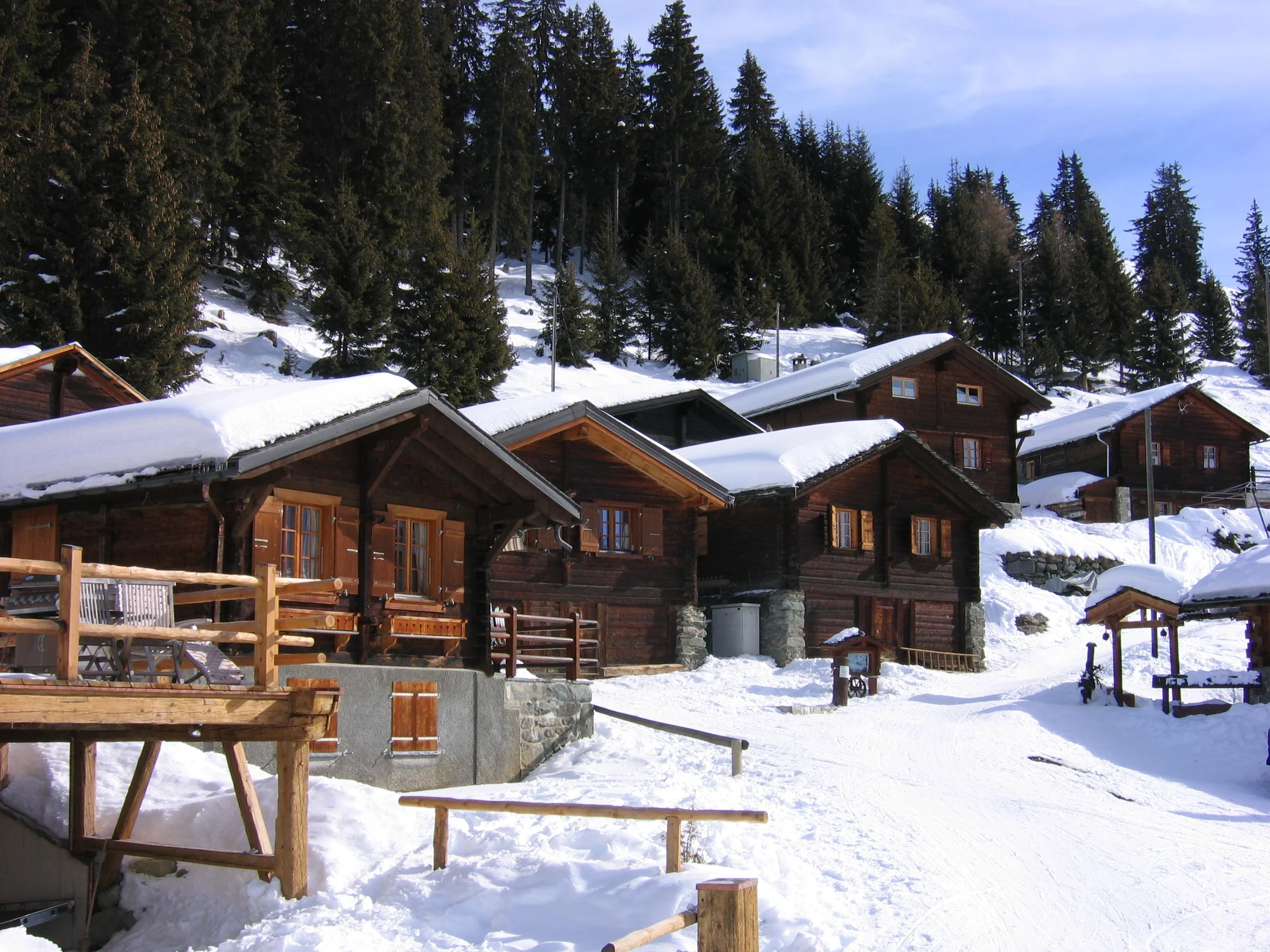
A mountain property carries several expectations at once: retreat, access to landscape, room for guests and a workable rhythm of arrival and departure. Knight Frank’s Alpine Report, published on 22 October, adds a timely view of how those expectations are changing. Its research describes buyers seeking well-located homes ready for occupation, with growing interest at the upper end in properties connected to the services of branded residences. 1
The report’s account of the French Alps notes a widening international audience and identifies demand from American buyers in Chamonix, Courchevel and Alpe d’Huez. In Cortina d’Ampezzo, its local market commentary similarly emphasises turnkey properties in preferred locations. These are observations from Knight Frank’s network, offering a specific commercial perspective on the brief being brought to premium mountain markets. 1
That brief has architectural consequences. A home used for short stays needs a considered transition from travel to occupation. Storage, circulation, maintenance access and the arrangement of shared rooms become part of how easily the property works. Where services are available nearby, the design can also consider the relationship between private space and the amenities that support a stay.
A companion article by Knight Frank’s Anna Ward examines the connection between snow reliability and broader resort activity. It describes investment in ski infrastructure alongside the growing role of summer access, accommodation and mountain transport. The report’s argument is that the strength of a destination increasingly depends on a range of experiences across the calendar. 2
For a design team, that wider calendar raises useful questions about comfort and use. How does the home respond to different seasons? Which rooms work well for an extended stay? Can outdoor space support different kinds of occupation? These questions give a more detailed meaning to flexibility than a specification built around a single holiday image.
The report’s Mountain Property Price Index has also expanded to include Aspen and Queenstown. Its accompanying analysis stresses variation between individual resorts, with different local conditions shaping performance. That distinction is important when reading the broader story: the report does not describe every mountain destination moving in the same direction. 3
The most useful response for designers is a brief that records how a property will actually be used: the length of visits, the number of guests, access to services and the work needed between stays. Those details can guide the layout as directly as the view. The report provides a reason to ask for them early, while a home’s relationship to the destination can still shape its plan.